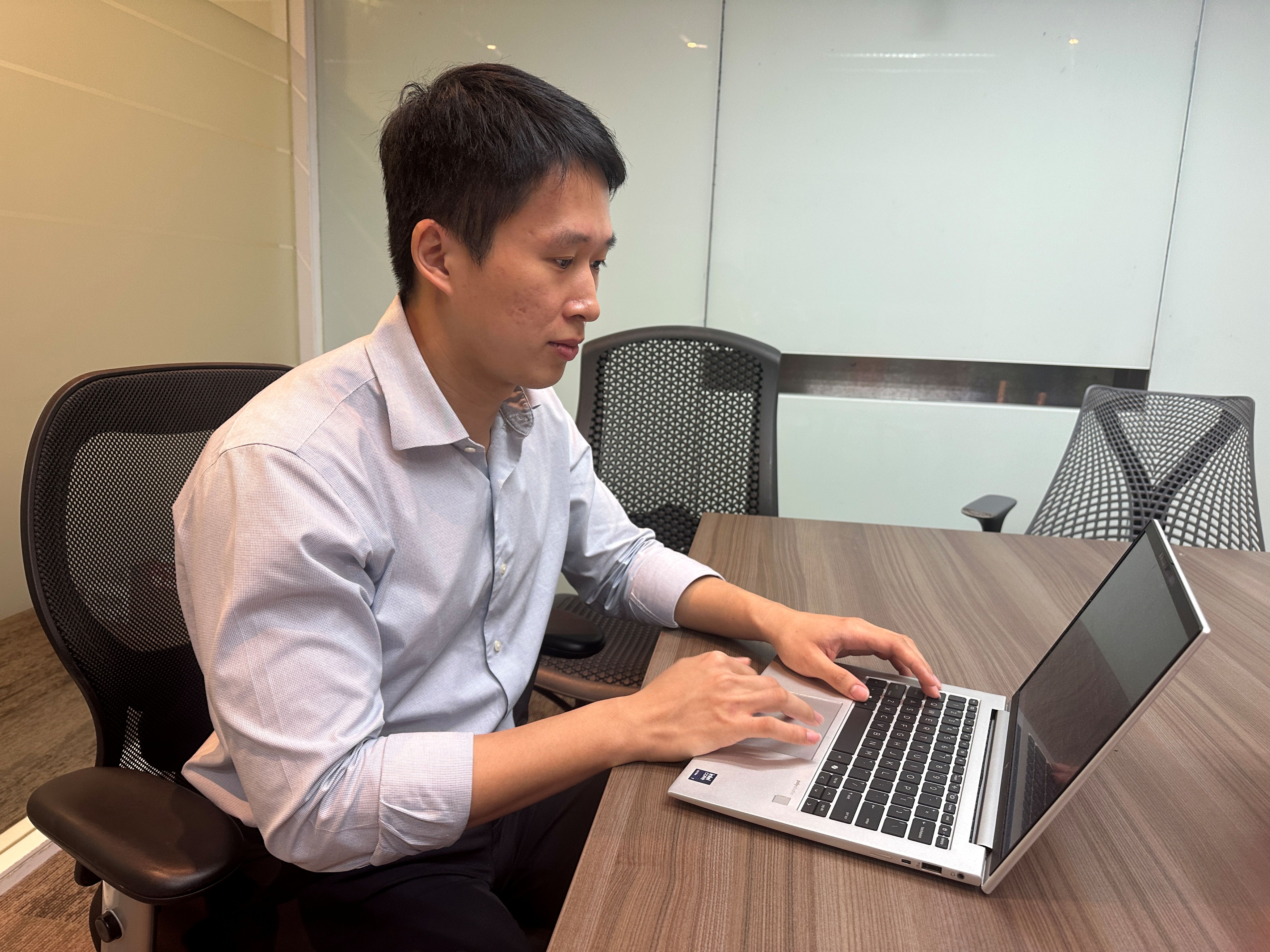
Ashton Low began his banking career through UOB’s AI and Data Analytics Centre of Excellence (AIDA CoE) programme - a flagship talent development initiative supported by the Institute of Banking and Finance (IBF) and Monetary Authority of Singapore (MAS). This initiative offers a clear blueprint for how structured, industry-backed programmes equip fresh graduates with real world exposure to thrive in an AI-driven financial sector.
From Theory to the Real World
Like many high-achieving graduates, Ashton entered the workforce with a strong theoretical foundation from the National University of Singapore (NUS). However, he was under no illusions about the jump to a professional setting.
"I was aware that real-life initiatives would present a completely different set of challenges," Ashton shares. "They are often far more unpredictable and complex than what is taught in a classroom."
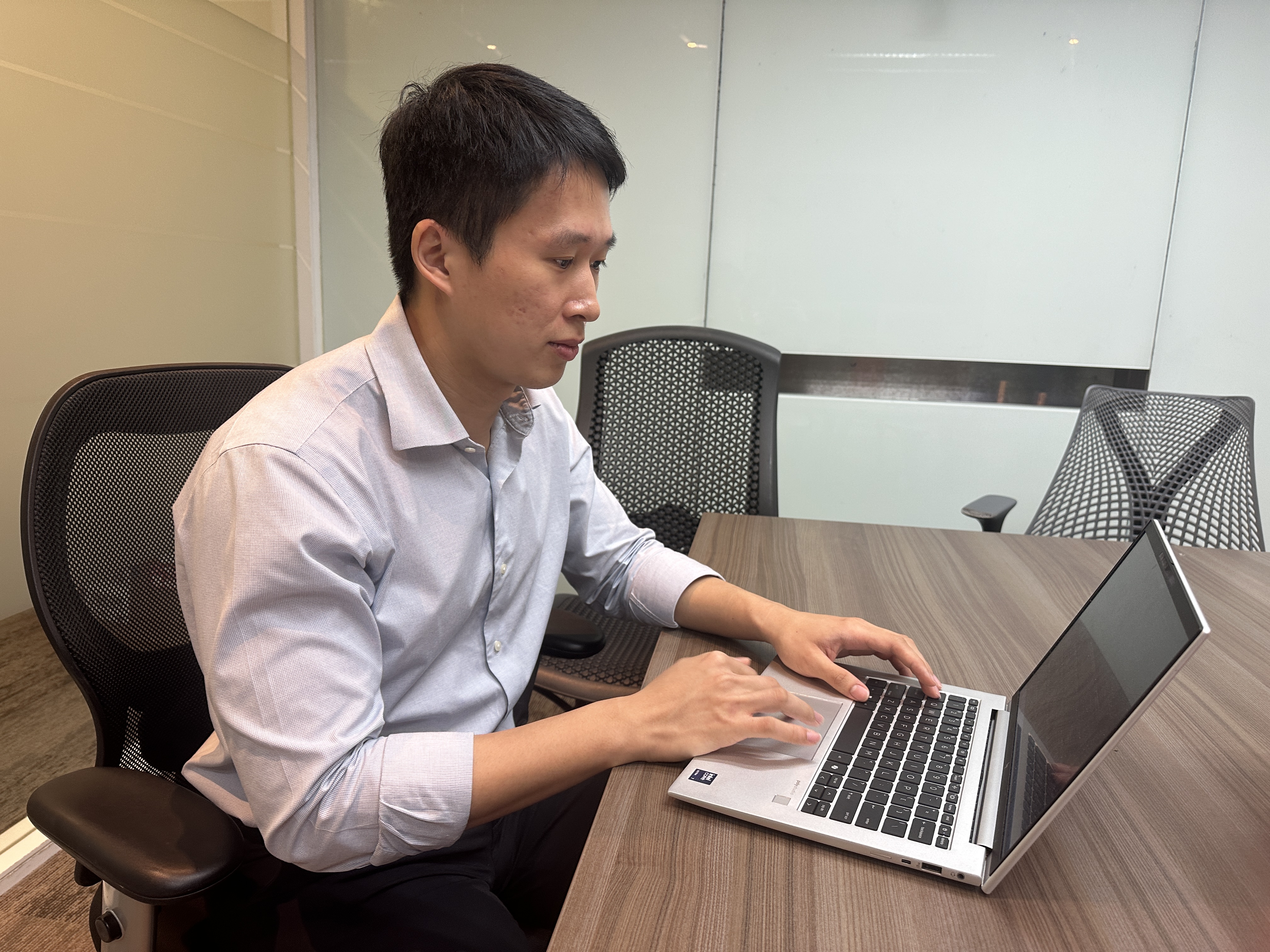
Trained in the field of AI and Data Analytics, Ashton knew that the AIDA CoE programme would be
highly relevant for him.
It was this desire to experience the "dynamic intersection between finance and data science" that led Ashton to UOB. When he came across the job listing on LinkedIn, it immediately stood out: "It caught my attention as it was a graduate tech programme in a bank and furthermore, it was primarily focused on AI and Data Analytics which was my field of study." By joining the IBF-supported AIDA CoE programme, Ashton found a structured pathway to apply his academic specialisation to the complex world of banking.
Structured Learning and Hands-On Projects
One of the hallmarks of the programme is the blend of academic rigour and hands-on application. For Ashton, this means balancing weekly lessons at National University of Singapore-Institute of System Science (NUS-ISS) with a role in UOB’s Wholesale Banking department.
Ashton says, "The combination of hands-on experience and structured learning of data science fundamentals has allowed me to grow my skillset holistically, thereby enabling me to contribute more effectively to the bank."
He is currently working on a high-priority project to automate a process by using Generative AI (GenAI) to extract ESG (Environmental, Social, and Governance) metrics for companies. By leveraging GenAI, the project seeks to turn a manual, repetitive task into an efficient digital workflow, freeing up valuable man-hours for higher-priority strategic work.
Ashton explains how technology bridges this gap: "By utilising workflow automation tools and GenAI, the team hopes to automate this manual work, driving efficiency and clearing up more manhours for critical tasks."
Beyond specific pipelines, GenAI has become a versatile research assistant in his daily workflow. Ashton adds, "One way GenAI has helped in my work is the ability to rapidly sieve through the web for potential data sources as references. While it is important to note that the data sources may not always be reliable or correct, it serves as a good starting point and helps to reduce manual search work."
The Human Side of AI
While technical skills – such as prompt engineering and data sourcing – are vital, Ashton emphasises that the most valuable lesson he has learnt through the graduate tech programme is surprisingly non-technical. It is the art of bridging the gap between data and the real world. He has learnt that for a project to succeed, he must think of ideas that provide real business impact beyond meeting technical requirements and delivering solutions.
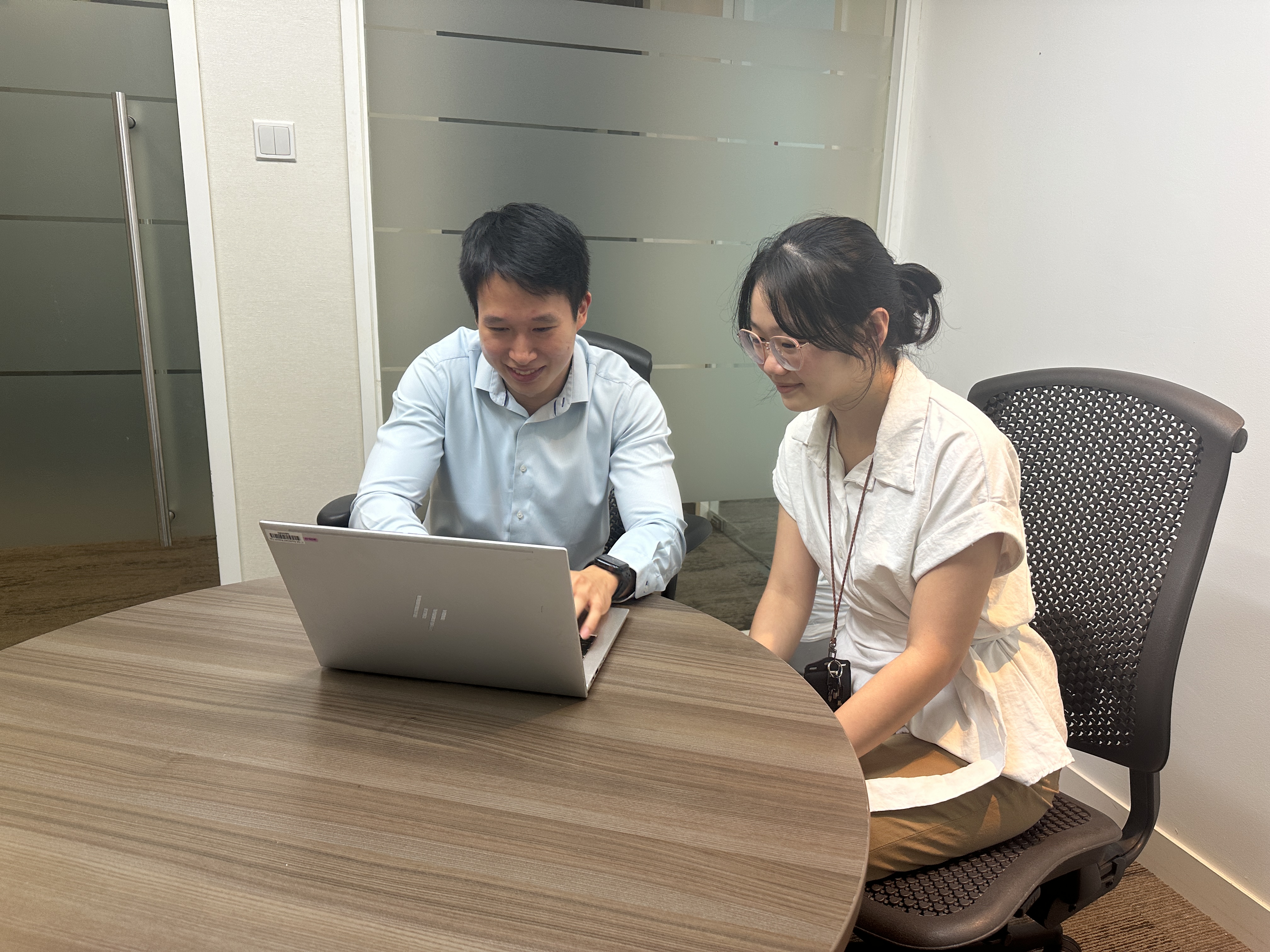
One of Ashton’s learning takeaways was how to leverage on his skills and experiences to meaningfully
fulfil business objectives.
Ashton has come to realise that technical work is only the beginning. He now places a heavier emphasis on his ability to translate complex data into clear, actionable insights for business units. By ensuring that stakeholders understand the reasons behind the numbers, he can help turn technical projects into real-world benefits for both the bank and its customers.
Ashton believes this ability to translate complex data into a business-relevant language is the ultimate future-proof skill. As he puts it: "In a world where AI/GenAI is changing constantly, I believe that the ability to communicate effectively (bridge the gap between technical teams and business stakeholders) will remain an indispensable skill."
Mentorship and Mindset Shift
A core component of any programme is the emphasis on mentorship. For Ashton, working under his supervisor, Darren, provided a vital practical perspective on leadership.
Ashton recalls a specific piece of advice from Darren that changed his perspective on workplace stress. His advice was, "There will always be times when you feel stretched but treat it as an opportunity to grow and see it as a positive experience."
This mindset shift - from viewing a heavy workload as a burden to seeing it as a platform to prove one’s abilities - is exactly the kind of professional resilience that Ashton aspires to cultivate.
Looking Ahead: A Data-Driven Future
Ashton’s aspirations won’t stop at his graduation in July 2027. He plans to pursue a Master’s degree programme focusing on Large Language Models (LLMs) and Computer Vision, to support his career growth.
His advice for other young professionals looking to join the AIDA programme? Stay curious. "Staying curious is not just limited to new technologies," Ashton says. "It extends to understanding financial processes and terms. That information helps you weave technology and finance together."
Through the support of IBF and UOB’s AIDA CoE, Ashton isn't just watching the digital transformation of banking, he is actively building his skills and capabilities to contribute to the industry.
IBF supports financial institutions to uplift, upskill and upbuild the financial sector workforce to unlock the full potential of AI/GenAI. Find out more about GenAI Jobs Transformation Map (JTM) here.

 Overview